We always beat them we will beat them again, Derek McInnes claimed Rangers opposition in europa draw are too small for Rangers

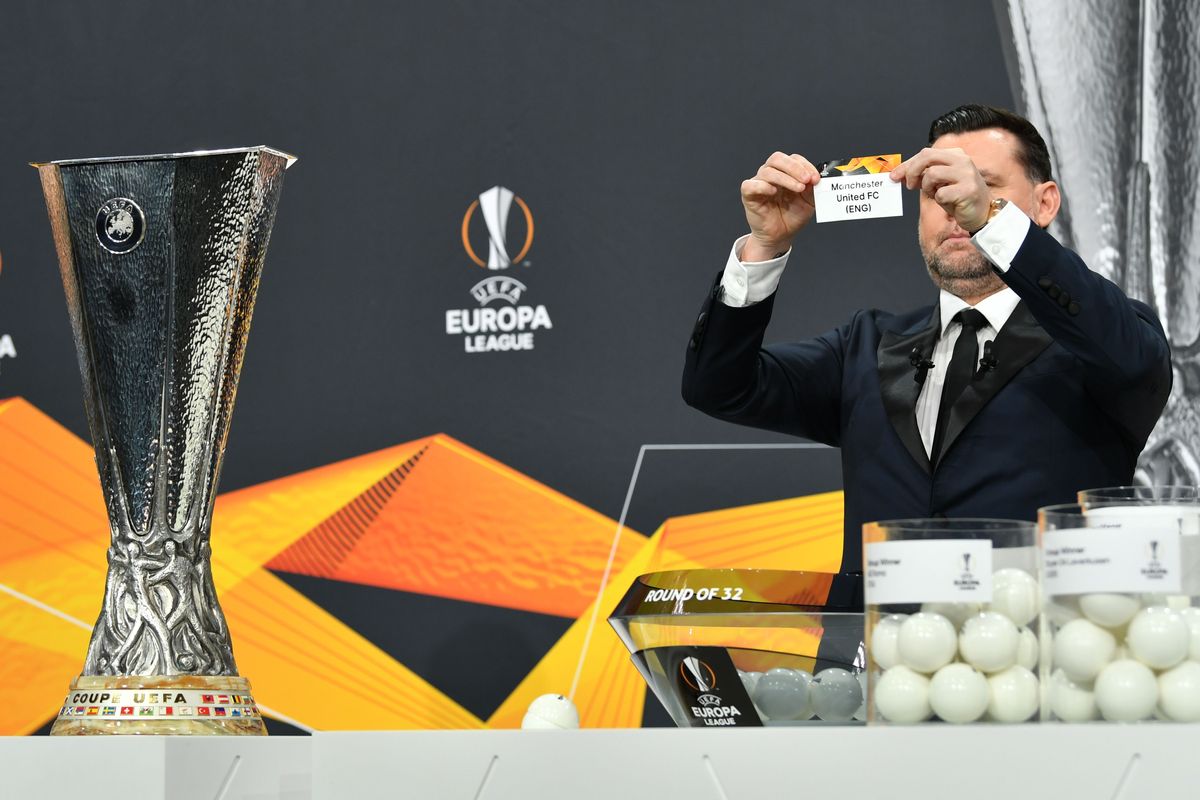
Rangers now know exactly what awaits them in Europe this season, with the draw for the third qualifying round of the Europa League confirming Polish outfit Jagiellonia Bialystok as new boss Derek McInnes’s first continental opponents at Ibrox. The pairing brings to an end weeks of speculation about who the Light Blues might face as they look to plot a route back into the competition’s lucrative league phase, and it sets up a tie that carries plenty of intrigue given Jagiellonia’s recent record on the European stage.
Last season’s third-placed finish in the Scottish Premiership means Rangers will have no involvement in Champions League qualifying this time around, a reality that will sting somewhat given the financial and prestige benefits that come with competing in Europe’s premier club competition. Instead, attention turns to the Europa League, a tournament that has proven a happy hunting ground for Rangers in recent years and one the club will be desperate to make an impact in once again under their new manager. Getting there, though, is not simply a formality. The Gers must first navigate their way through two separate qualifying rounds before they can even think about the league phase itself, and it all begins with the third qualifying round tie against Jagiellonia.
Timing-wise, the tie slots in neatly after the beginning of the domestic campaign. Rangers kick off their Scottish Premiership season at Tannadice against Dundee United, and just six days later their European adventure gets under way, meaning McInnes and his players will have precious little time to draw breath between the two openers. For a manager still bedding in at Ibrox, that quick turnaround from league business to continental duty adds an extra layer of complexity to an already demanding start to the season, with squad rotation, fitness management and tactical preparation all needing to be carefully balanced across both fronts simultaneously.
As for the opponent itself, Jagiellonia Bialystok arrive with a profile that should give Rangers plenty to think about. The Polish side were crowned champions of their domestic league back in 2024, a triumph that marked one of the most significant moments in the club’s history, and they backed that up with a third-placed finish domestically last season, suggesting a level of consistency that has kept them competing near the top of Polish football in recent years rather than simply enjoying a one-off peak. That sort of sustained quality at home has translated into a genuine European pedigree too, with Jagiellonia having reached the group or league phase of a major UEFA competition in each of the past two seasons, a landmark achievement that represented the first time in the club’s history they had managed to do so. Making it that far isn’t easy for a club of Jagiellonia’s relative stature, and having done it in back-to-back campaigns speaks to a well-run footballing operation capable of consistently punching above its perceived weight on the continental stage.
Their run in 2025 was particularly impressive, with Jagiellonia progressing all the way to the quarter-finals of the Conference League before their run was eventually ended by Spanish side Real Betis, themselves no pushovers given their own European pedigree in recent seasons. Reaching the last eight of a UEFA competition represents a serious achievement for a club of Jagiellonia’s size, and it will have alerted plenty of clubs across the continent, Rangers included, to the fact that this is an outfit capable of matching sides from considerably bigger and wealthier leagues when it matters most. More recently, last season saw Jagiellonia’s European campaign brought to an end by Italian side Fiorentina at the knockout play-off stage, a defeat to a Serie A outfit that, while ultimately curtailing their run, still underlined the level they’re now operating at on a regular basis in Europe.
There’s a familiar face in the current Jagiellonia squad for those with an eye on Scottish football too. Former Celtic defender Yuki Kobayashi is part of the group having made the move to Poland from Portuguese side Portimonense last summer. Kobayashi’s time in Glasgow never quite delivered on the promise many had hoped for when he first arrived, and like plenty of players before him, he’s since found a fresh lease of life away from the intense scrutiny that comes with playing for one of Scotland’s two dominant clubs. His inclusion in the Jagiellonia ranks adds a small but notable subplot to the tie, giving both sets of supporters a point of reference and familiarity heading into a fixture that would otherwise involve two clubs with relatively little shared history or crossover.
In terms of the specifics of the tie itself, the first leg is currently pencilled in for August 6, with Rangers set to make the trip to Poland, barring any late adjustments to the calendar that sometimes occur once broadcast and logistical considerations are finalised. The return leg at Ibrox follows a week later on August 13, giving both sides a full week to recover, analyse the first-leg performance, and adjust their approach before the tie is settled in Govan. That structure, away first and home second, will be a factor McInnes and his coaching staff take into account when shaping their approach, with the general preference among most managers being to avoid conceding a costly away goal or falling behind before the tie returns to more favourable, familiar surroundings at Ibrox.
Beyond the Jagiellonia tie itself, Monday’s draw also clarified some other significant details relevant to Scottish clubs competing in Europe this summer. Prior to the draw taking place, Rangers already knew they would be spared a potential meeting with Turkish giants Fenerbahce, with the two clubs having been placed into separate draw groupings from the outset, Rangers finding themselves in Group 1 while Fenerbahce were slotted into Group 2. That separation meant there was never any danger of the two sides being paired together at this stage, regardless of how the individual ties within each group ultimately fell.
The same cannot be said for Hearts, however, who could yet find themselves coming up against the considerable challenge of Fenerbahce depending on how their own European campaign unfolds. The Tynecastle side are currently occupied with Champions League qualifying, where they face Austrian outfit Sturm Graz for a place in the next round. Should Hearts get past that tie successfully, they would then be drawn against the winner of a separate qualifying match between Fenerbahce and Polish side Gornik Zabrze, meaning a clash with the Turkish giants remains a live possibility for the Edinburgh club as their own European journey continues to take shape over the coming weeks.
For Rangers and McInnes specifically, though, the focus now shifts entirely toward preparing for Jagiellonia. There’s plenty for the club’s analysts and coaching staff to work through given the Polish side’s recent European exploits, with two consecutive campaigns reaching the group or league phase of continental competition offering a substantial body of footage and data to pore over in the coming weeks. Understanding how Jagiellonia set up away from home in particular will be crucial, given that it’s Rangers who must travel first and will therefore be the side looking to either secure a positive result or, at the very least, avoid conceding a damaging away goal that could complicate matters heading into the second leg back in Govan.
There’s also the broader context of McInnes’s own start to life as Rangers manager to consider. Taking charge of any club with the size and expectation levels of Rangers is a significant undertaking under any circumstances, but doing so while simultaneously having to prepare a newly assembled squad for a demanding European qualifying tie within days of the domestic season getting under way adds an extra layer of pressure right from the outset. How the squad responds to that quick turnaround, and how well McInnes has been able to use pre-season to build both fitness and tactical cohesion across a group that’s seen considerable turnover this summer, will go a long way toward determining whether Rangers can navigate this tie successfully and continue their pursuit of a return to the Europa League’s league phase.
It’s also worth remembering just how significant European football, and specifically the Europa League, has become for Rangers in recent years. The competition has provided some of the club’s most memorable European nights over the past several seasons, and reaching the league phase again would not only offer a platform for the newly assembled squad to gain valuable continental experience, but would also deliver a meaningful financial boost at a time when clubs across Scottish football continue to lean heavily on European qualification revenue to help fund squad building and long-term infrastructure projects. Missing out at this comparatively early stage, by contrast, would represent a considerable blow, both financially and in terms of the momentum such qualification success typically provides heading into a long and demanding season across multiple competitions.
Jagiellonia, for their part, will arrive at this tie with plenty of confidence of their own, buoyed by domestic success at home and a genuinely impressive recent record in continental competition that few clubs of their relative stature can match. Their run to the Conference League quarter-finals in 2025, followed by another campaign that saw them fall only at the knockout play-off stage against a Serie A side last season, paints the picture of a club that has built real momentum and know-how when it comes to competing on the European stage, making them a considerably tougher proposition than their domestic profile alone might suggest to those unfamiliar with their recent history.
That said, Rangers will also take some encouragement from certain aspects of the matchup. Having already navigated numerous demanding European qualifying ties over the years, the Ibrox club retains considerable institutional experience when it comes to handling the pressures and travel demands that come with continental qualification football, something that could prove valuable when the pressure is at its highest across the two legs. Home advantage in the second leg, too, could prove decisive, with Ibrox’s reputation as one of the most intimidating atmospheres in European football potentially playing a role in swinging any tightly poised tie in Rangers’ favour once the action shifts back to Govan.
Ultimately, this qualifying assignment represents an early and meaningful test of where Rangers currently stand under their new manager, with a genuinely accomplished European operator standing between the Light Blues and a return to the group phase of the Europa League. Jagiellonia’s back-to-back campaigns reaching the group or league stage of continental competition, allied to their run to the Conference League quarter-finals and their more recent narrow defeat to a Serie A side, leave no doubt that this is a side more than capable of springing a result against a Rangers team still finding its feet under new management.
With dates now locked in for August 6 in Poland and August 13 back at Ibrox, the countdown is on for McInnes and his players to put the finishing touches to their preparations. How the squad copes with the quick turnaround from their Scottish Premiership opener against Dundee United into continental action just days later will offer an early indication of the depth and readiness of this rebuilt Rangers group heading into what promises to be a pivotal season for the new manager and everyone at Ibrox