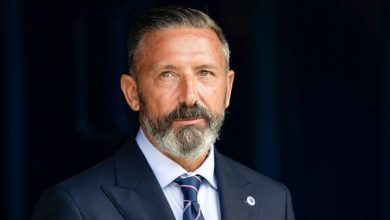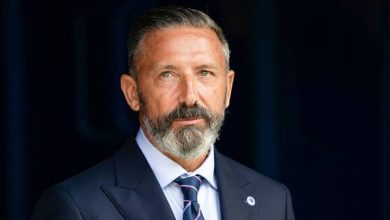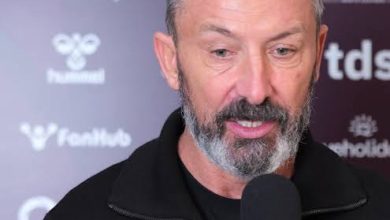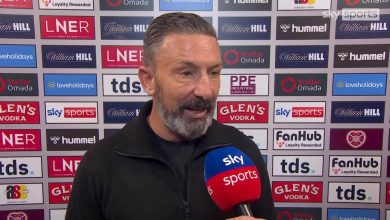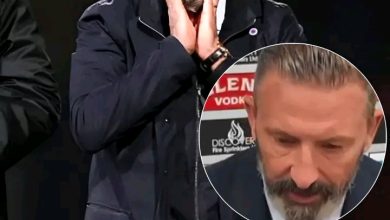
It’s a question that’s been asked with growing urgency around Ibrox over the past couple of weeks, and even after a first win finally arrived, it remains a question worth properly unpacking. Barring caretaker spells, Derek McInnes endured the worst start of any permanent Rangers manager through his opening four matches in charge, a run that culminated in a Europa League qualifying exit at the hands of Polish side Jagiellonia Bialystok, with fans streaming for the exits at Ibrox long before the final whistle even though there remained a mathematical chance of forcing extra time. A 1-1 draw on the night was enough to secure only a 3-2 aggregate defeat, dropping Rangers into a Conference League play-off against Czech outfit Jablonec and intensifying scrutiny on a manager who arrived at Ibrox with a genuinely impressive reputation built during his time at Hearts. It’s a sobering situation for a club of Rangers’ stature and ambition, and it’s worth working through exactly how it’s come to this, and what, if anything, has changed in the days since.
To understand the scale of the alarm bells ringing around Ibrox, it helps to remember the context McInnes walked into. This time last year, Rangers endured a similarly stumbling start under Russell Martin, a slump from which the Englishman never recovered before being axed in early October. McInnes arriving as his successor was supposed to represent a fresh start built on substance rather than promise, given the way he’d guided Hearts to within touching distance of a stunning title challenge against Celtic the previous season. Instead, just a handful of weeks into his Ibrox tenure, McInnes found himself facing almost identical questions to the ones that ultimately cost Martin his job, with four matches gone and not a single victory to show for it heading into that Jagiellonia defeat. For a manager so closely associated with Rangers as both a boyhood supporter and a former player, and one who arrived with genuine goodwill from the fanbase, watching that goodwill evaporate so rapidly will have been a bitter pill to swallow.
McInnes himself has been admirably honest in confronting the scale of the problem rather than hiding behind excuses, and his post-match assessment following the Jagiellonia exit was particularly blunt. He acknowledged that despite the club having already spent heavily on nine new additions to the squad over the summer, the quality on display simply wasn’t where it needed to be for a club with Rangers’ European ambitions, conceding that it pained him to admit the team wasn’t yet ready for the rigours of continental competition even though the infrastructure around the club is built for exactly that level. He was similarly candid when discussing the manner of Rangers’ collapse in matches, framing it as a continuation of exactly the same problem that plagued the club through the closing weeks of last season under different management: an inability to sustain a convincing ninety-minute performance. When asked directly whether the Ibrox crowd had been justified in booing his side off at full-time against Jagiellonia, McInnes didn’t attempt to shield his players or deflect blame, instead accepting that the reaction was fair given what had been served up in a second half that fell well short of an acceptable standard.
Some of the tactical decision-making that night has also come in for scrutiny, and it offers a useful window into the kind of fine margins McInnes is currently having to navigate as he tries to find the right system and personnel combination. Rangers lost control of the tie after the interval once McInnes made a change that saw Thelo Aasgaard withdrawn in favour of full-back Ross McCrorie, a substitution that also triggered a shift from a back three to a back four. The rationale, as McInnes explained it afterwards, was that Aasgaard hadn’t been getting sufficiently involved in the game and that switching shape might help get his wingers more involved in higher areas of the pitch. It was a logical enough piece of in-game reasoning on paper, but former Rangers midfielder Andy Halliday, working as a pundit on BBC Radio Scotland’s Sportsound coverage, offered a pointed critique of how it actually played out in practice, noting that while the thinking made sense, the execution simply didn’t work. Halliday made the further observation that Djeidi Gassama and Daisuke Yokota had actually been getting plenty of the ball in relatively advanced areas during the first half before the switch, and that removing the extra body in midfield ultimately cost Rangers control of the game entirely rather than improving their attacking threat as intended.
Compounding the on-pitch struggles has been a piece of genuinely rotten luck on the injury front. The Jagiellonia elimination arrived on the back of the grim news that striker Youssef Chermiti had been ruled out for a significant period with a serious knee injury, a blow that landed with particularly cruel timing given that Rangers had only recently turned down a substantial bid for the 22-year-old during the same window. That development has fundamentally altered Rangers’ recruitment priorities at the worst possible moment, forcing McInnes and his recruitment team to now hunt for a replacement centre-forward in addition to the defensive reinforcements and wide players they’d already identified as priorities heading into the closing stages of the transfer window. McInnes has spoken about the scale of the effort going into getting the right calibre of player through the door, pointing to the pursuit of PSV Eindhoven winger Couhaib Driouech as evidence of the club’s continued intent to strengthen, even as injuries elsewhere in the squad, including to left-back Tuur Rommens, have left the group stretched thin heading into a genuinely demanding opening stretch of fixtures.
Halliday, for his part, has been particularly forthright in his assessment of where Rangers’ squad currently falls short, arguing it shouldn’t be anywhere near as imbalanced as it currently is given how late into the transfer window the club now finds itself. His shopping list for what Rangers still require reads substantially: an extra centre-half or two, a recognised left-back, and further reinforcement out wide, ideally two or three additional wingers given the areas that have been picked apart in recent matches. Yet even accounting for those genuine gaps, Halliday made the point that the group already available to McInnes should, in theory, still be strong enough to have beaten Dundee United, Hibernian and Jagiellonia Bialystok, suggesting the issues run deeper than simply a lack of numbers or depth and instead touch on confidence, cohesion and execution.
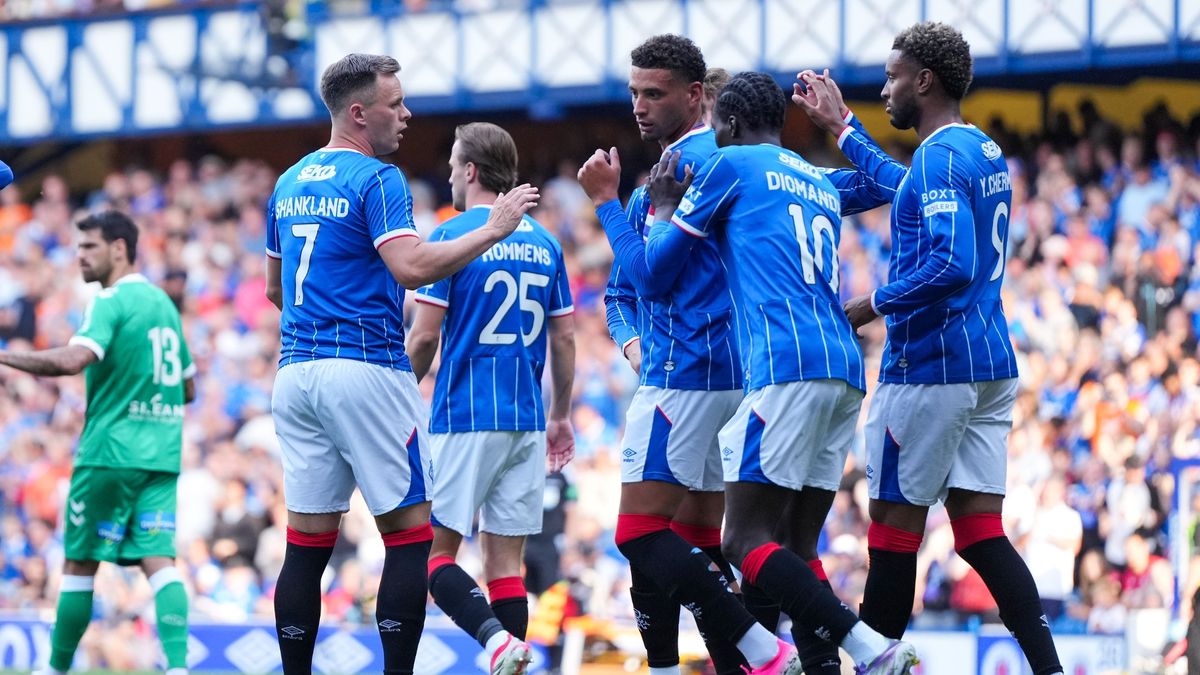
Much was made of the decision to reunite McInnes with Lawrence Shankland this summer, a pairing many hoped might recreate the formula that so nearly delivered a shock title to Hearts the previous season. The early signs, though, suggested Shankland was finding the added scrutiny that comes with representing Rangers, and specifically with wearing the captain’s armband at Ibrox, a genuinely different proposition to anything he’d previously experienced in his career. Former Rangers striker Steven Thompson spoke to exactly this dynamic, describing the particular weight Shankland has had to shoulder: the pressure of pulling on a Rangers shirt, the frustration of a difficult start, and the unforgiving nature of Ibrox’s reaction to even a single misplaced touch. Thompson drew a clear contrast with the kind of forgiving atmosphere a player might expect elsewhere, noting that at previous clubs a poor touch or a give-away pass might draw mild frustration from supporters, whereas at Ibrox every small error in Shankland’s link-up play or every missed shooting opportunity has been met with immediate and vocal criticism, something Thompson framed as much a mental adjustment for the new captain as a physical or technical one.
It was Halliday’s next observation, though, that really captured headlines and stirred debate among the Rangers support: his suggestion that the club should move immediately to bring back 34-year-old former captain James Tavernier, despite the veteran right-back having been released by the club at the end of last season and currently sitting as a free agent. Halliday was upfront that the idea wouldn’t be popular given the messy circumstances surrounding Tavernier’s Ibrox exit, but he was equally unequivocal in his conviction that the recruitment priority should be as simple as picking up the phone. His reasoning centred on the concept of leadership under genuine scrutiny, the ability to keep performing and keep creating even when things aren’t going well, and a willingness to accept responsibility rather than hide from pressure, qualities he felt Tavernier embodied more consistently than anyone currently available to McInnes. It’s a notable intervention given how fresh the wounds from Tavernier’s farewell still are, and it underlines just how significant the perceived leadership and right-back void has become in the eyes of some closely connected to the club, even if the practical and emotional complications of an immediate reunion make it an unlikely path in reality.
The reaction from supporters, as captured in the immediate aftermath of the Jagiellonia exit, painted a picture of a fanbase genuinely split between patience and exasperation. Some voices called for cutting losses on McInnes altogether, arguing that heavy summer spending had somehow left the team worse off than before, while others pushed back forcefully, urging perspective given the state of the inherited squad and insisting the new manager deserves time to work through his rebuild. Other reactions carried a sharper edge, with one supporter pointedly asking whether Rangers had played a single match under McInnes without being booed off, while another drew an unflattering comparison to the depths of the Mark Warburton era in the Scottish Championship. It’s the kind of split reaction that tends to characterise genuinely uncertain moments at a club like Rangers, where patience and panic have always coexisted uneasily among different sections of an understandably demanding support.
What’s happened in the days since offers at least a partial, if incomplete, response to those immediate anxieties. Rangers finally recorded their first league win of the McInnes era with a thumping 5-1 victory over St Mirren in the Premier Sports Cup, a result that arrived on the same weekend as fierce rivals Celtic dispatched Dundee United 4-0, setting up an Old Firm quarter-final collision in the same competition. That win did plenty to ease the most immediate sense of crisis, even if some of the individual performances within it still drew mixed reviews from supporters, and pundits have remained divided over how much genuine encouragement to take from a comfortable win over a side that had conceded rarely up to that point. Former Rangers full-back Alan Hutton has expressed confidence that McInnes possesses the character and understanding of the club’s demands to eventually turn things around, provided he’s given the requisite time and patience from the Ibrox hierarchy, while acknowledging candidly that the structural issues at play, the managerial upheaval and unsettled recruitment approach that has characterised Rangers for a number of years now, run deeper than any single difficult opening month.
That framing feels like the most balanced way to understand where Rangers currently find themselves. This isn’t purely a story about one manager’s difficult opening weeks; it’s an accumulation of longer-running issues at Ibrox surfacing all at once, colliding with a genuinely unfortunate spell of injuries at exactly the wrong moment in the transfer calendar. McInnes remains a manager with a substantial body of work behind him and clear backing from large parts of the fanbase who understand the scale of the rebuild he inherited, but he also now finds himself under a level of scrutiny that will only intensify with every underwhelming result. The next several weeks, as Rangers navigate the Jablonec play-off, continue their pursuit of further reinforcements before the transfer window shuts, and attempt to build genuine momentum in the league, will go a long way towards answering the question that’s dominated the conversation around Ibrox this month: whether this is simply the difficult, bumpy beginning of a new manager reshaping a squad in his own image, or the early tremors of another troubled season taking hold at a club that can ill afford one.