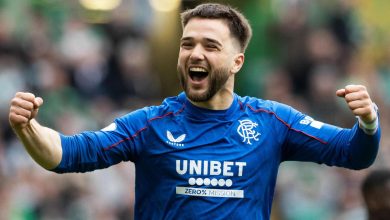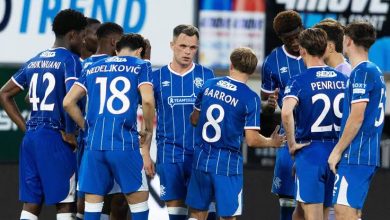
old firm derby turns ugly after celtic beat rangers on penalties at ibrox back on march 8 2026 and it’s the kind of night that ends up getting remembered for all the wrong reasons, no matter how dramatic the football itself was. the tie was set up as a scottish cup quarter final, a one off knockout game at ibrox, and on paper it had everything you’d want from a fixture like that. what actually played out on the pitch was tense and pretty tight, 120 minutes of extra time football with barely a clear chance at either end. celtic somehow didn’t manage a single shot on target across the entire game, which is a wild stat for a team that ended up winning, but they still found a way through when it went to penalties, taking the shootout 4-2 with tomas cvancara stepping up to smash home the winning spotkick and send celtic through to the semi finals.
that penalty should have been the headline. instead it ended up being the trigger for everything that followed. the second cvancara’s kick hit the net, dozens of celtic fans came pouring onto the pitch to celebrate. they were part of a 7500 strong away support that night, celtic’s biggest allocation at ibrox since 2018, so there were a lot of them packed into that end and a lot of adrenaline in the air once the shootout swung their way. within moments, more than 100 rangers fans had also come down onto the pitch, and a significant chunk of them weren’t just milling around, they were heading straight for the broomloan stand, which is where the away support was housed. police and stewards scrambled to get bodies between the two groups and form some kind of barrier, but they couldn’t stop everything. missiles started getting thrown, including at least one lit flare, and there were reports of genuine fighting breaking out in patches before things eventually got brought back under control.
and it wasn’t even just a post match thing. by most accounts there was trouble brewing before a ball was even kicked. ticketless celtic fans reportedly forced their way into the broomloan road stand ahead of kickoff, which caused security delays getting people through and presumably had stewards on edge well before full time rolled around. so in a sense the pitch invasion and the chaos after the final penalty wasn’t some isolated flashpoint, it was more like the peak of tension that had been building around the ground for a while.
what made this one stand out from a lot of old firm trouble in the past is that it didn’t stay confined to fans fighting fans. players and staff actually got caught up in it directly. celtic defender julian araujo had a kick aimed at him by one supporter and got shoved by another during the chaos. a member of celtic’s backroom staff also ended up getting targeted in the middle of it all, and that particular incident was serious enough that police made an arrest specifically tied to it. cvancara, the very player whose penalty had set the whole thing off, was shown on television not long after with visible bloodstains on his kit, which became one of the more striking images to come out of the night and got picked up pretty widely in coverage afterward.
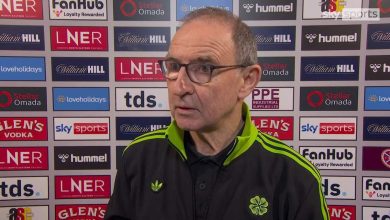
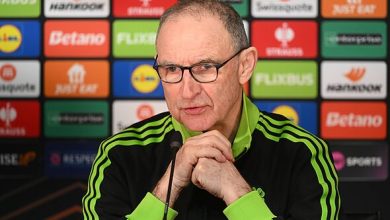
both managers were asked to react once the dust settled a bit, and neither of them tried to score points off it or point fingers, at least not publicly. rangers boss danny röhl, who was still in the ibrox job at the time, said it was unfortunate and that nobody wants to see that kind of thing happen in football, adding that he just hoped it wouldn’t end up overshadowing the performances his players and celtic’s players had put in over those 120 minutes. celtic manager martin o’neill gave a pretty similar response from his side, saying much the same thing, that it was unfortunate and that he hoped the trouble wouldn’t take away from what had genuinely been a hard fought, dramatic cup tie decided in the most dramatic way possible. it’s worth noting that neither manager used the moment to have a go at the other club’s fans specifically, which given how charged old firm rivalry can get, was maybe its own small sign of restraint from both men.
police scotland didn’t waste time getting into it either. within 24 hours of the final whistle, nine arrests had already been made, and chief superintendent emma croft confirmed that number publicly while making clear she expected it to climb significantly as the investigation went on. specific charges started to emerge pretty quickly too. a 54 year old man was charged in connection with an assault on a police officer, and a 47 year old man was charged over an assault involving both a coach and a player, which lines up with what happened to araujo and the staff member caught up in the chaos near the pitch. police also confirmed that officers and members of the public had been injured during the disorder, and described what they were dealing with from parts of the crowd as genuinely extreme hostility and violence, not just some minor shoving or pushing.
this wasn’t just a football story either, it ended up pulling in politicians and the national conversation about crowd safety more broadly. scotland’s first minister at the time, john swinney, addressed it directly and didn’t hold back, calling the violence that followed the match completely and utterly unacceptable and saying there was no justification whatsoever for what had happened. he specifically flagged the severe danger that had been posed to ordinary fans, to police officers, and to stewards who were just trying to do their jobs and keep people safe. swinney said he’d be working with both clubs directly, along with the wider football authorities, to figure out how to stop this kind of thing from happening again at future old firm fixtures. that’s a fairly serious level of political attention for what’s ultimately still a football match, but it reflects just how seriously these incidents tend to get taken in scotland given the fixture’s history.
on the football side, the scottish fa opened up a formal investigation into everything that happened, doing so under their judicial panel protocol, which is basically the mechanism they use to look into serious incidents of misconduct connected to matches under their jurisdiction. in their initial statement they condemned the behaviour of the supporters involved in fairly blunt terms, not mincing words about how unacceptable it had been.
probably the most lasting consequence out of all of this though isn’t the arrests or the political statements, it’s what it’s done to the conversation around away ticket allocations at old firm games going forward. the police officer who ended up leading the investigation into the ibrox trouble was pretty blunt about it afterward, saying that large away supporter groups at matches between rangers and celtic just aren’t safe under the current circumstances. that’s a significant thing to say publicly, because that 7500 strong celtic allocation on the night, the biggest travelling support permitted into ibrox for this fixture since 2018, had actually been seen by a lot of people as a positive step. there’d been an appetite for years to get back to something closer to the old, fuller derby atmosphere, with proper away allocations on both sides instead of the reduced or heavily segregated numbers that had become the norm. instead, what happened on march 8 looks like it’s done the opposite of that. the clear implication coming out of the investigation is that the sheer scale of the away support was itself a direct contributing factor in how fast and how badly things escalated once fans started spilling onto the pitch, and that’s effectively closed the door, at least for the foreseeable future, on hopes that bigger traditional allocations might become a regular thing again at these fixtures.
it’s also worth sitting with the fact that none of this happened completely out of nowhere, in the sense that old firm has a long and pretty well documented history of moments like this. this is one of the oldest club rivalries in world football, with roots going back to 1888, and it’s never just been about football. there’s a deeper political and religious divide running underneath it that’s shaped west of scotland football culture for well over a century, and that context is part of why any old firm fixture carries a level of tension that most domestic derbies elsewhere just don’t have. so when officials reach for words like shameful or disgraceful, or talk about a small minority of fans ruining it for everyone else, it’s not new language, it’s basically the standard script that gets reached for pretty much every time something like this flares up at this fixture specifically.
and there’s a track record to back that up. old firm matches have produced moments of crowd trouble across different decades and under different circumstances, not just this one march 2026 quarter final. there was a match at ibrox back in 2012, right after rangers had gone into administration, where rangers won 3-2 in a game that had been billed as unique given the club’s off field situation and celtic’s chance to win the league title at ibrox with a win. that night saw 17 arrests, a mix of offences under scotland’s offensive behaviour at football legislation, drink related charges, a breach of the peace, and one assault, even though the actual atmosphere among the crowd that day was described afterward as relatively peaceful compared to some other derbies, despite three players and celtic’s manager at the time all getting sent off during the match itself. there’s also been trouble at hampden park during scottish cup semi finals involving the two clubs, with 18 arrests made in and around the stadium on one occasion, including charges for assault, sectarian and threatening behaviour, and offences under the offensive behaviour at football act, even as police praised the majority of supporters that day for being well behaved and said the atmosphere overall had been thrilling and largely good natured. on another occasion, eight people were arrested after missiles were thrown by both sets of fans during a match at celtic park, with a police assistant chief constable saying at the time that it was frankly down to good luck that nobody had been seriously injured, and describing the scenes as disgraceful even while stressing that it was a very small minority of the crowd responsible and that tens of thousands of other fans had gone to the game, enjoyed it, and gone home safely without any trouble at all. there was also a goalless old firm draw at celtic park where 11 people were arrested for a mix of offences including possession of alcohol inside the stadium, breach of the peace, and sectarian offences, with police also looking into items that had been thrown at officers during the fan march to the ground and again right after the final whistle.
so when you line march 2026 up against that back catalogue, it starts to look less like some one off aberration and more like the latest entry in a pattern that’s followed this fixture for a long time, one that periodically flares up regardless of what’s actually at stake on the pitch, whether that’s a cup tie, a title decider, or just a regular league fixture. the specific details always shift a bit, a pitch invasion here, missiles thrown there, arrests numbering anywhere from single digits up into the high teens depending on the night, but the broad shape of it tends to repeat itself. large crowds, high emotion, a result that swings dramatically one way, and then a small percentage of fans on one or both sides crossing a line that ends up defining how the night gets remembered, no matter how good the football itself was.
as for what came next after march 8 specifically, celtic moved on to face st mirren in the scottish cup semi finals, carrying the momentum of that dramatic penalty shootout win into the next round. rangers, meanwhile, were left staring down a season where they’d now been knocked out of both domestic cup competitions, along with any european involvement, meaning the league title was effectively their only realistic shot left at silverware that season. but for a good stretch afterward, none of that football context was really what people were talking about. the story that dominated the days and weeks that followed was the climbing arrest numbers, the ongoing sfa investigation, the political statements coming out of holyrood, and that bigger, more structural debate over whether away allocations at old firm fixtures needed to be scaled back again after briefly moving toward something closer to normal. it’s a pretty familiar cycle for this fixture by now, the football happens, something dramatic decides it, and then for a while afterward the conversation shifts entirely away from the pitch and onto everything that happened once the final whistle went.